Budget 2026: Healey hikes taxes on banks and landlords to fund £100 handouts to 20m households
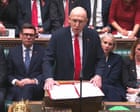
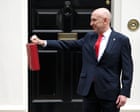
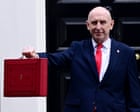
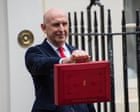
Few surprises as chancellor uses low-key speech blaming ‘global economic storms’ for stoking energy prices and cost of living crisisBudget 2026: key points at a glanceBriefing: key questions answered by Heather Stewart and Pippa CrerarEditorial: Budget’s bold ambitions and welcome first stepsJohn Healey raised taxes on banks and landlords to fund a £100 winter handout for 20 million families as official forecasts made clear there is no end in sight for the cost of living crisis.In his first budget, the chancellor blamed “global economic storms” for the grim outlook, as the war in Iran drives up oil and gas prices. Continue reading...
Nigel Farage skips budget in Commons over seating ‘altercation’ concerns
Reform UK leader ‘shocked’ by £10bn pledged to Ukraine and doubles down on cutting tax for crypto investorsBudget 2026: key points at a glanceNigel Farage skipped the chancellor’s first budget because he was worried he would get in a “physical altercation” with another MP in a row over seating arrangements.The Reform UK leader was not present in the House of Commons but gave a press conference afterwards in which he said he was “shocked” by the £10bn going to support Ukraine and doubled down on his party’s policies on cutting tax for crypto investors. Continue reading...

Budget briefing: the key questions answered by Heather Stewart and Pippa Crerar
Our economics and political editors dissect John Healey’s maiden budgetThe Guardian’s economics editor, Heather Stewart, and political editor, Pippa Crerar, assess the chancellor’s budget: what he said, why – and what he left out. Continue reading...

Healey tells departments to make 1% cuts to fund defence
The reduction in public spending will go towards paying for the Defence Investment Plan.

The Guardian view on Labour’s budget: bold ambitions and welcome first steps | Editorial
Banks, landlords and gambling firms will pay more as the chancellor begins building a fairer economy and a more active state in a cost of living crisisJohn Healey’s first budget was a Rorschach test. Supporters saw dozens of measures offering “breathing space” to a public worn down by rising prices. Critics admitted to a slew of announcements but countered that each was modest in value. Underlying both views is that the budget was more ambitious on how a state can do more to protect the public than on how much it spends. The chancellor has taken a small step in the right direction – a tricky feat in a turbulent world. But an economy marked by entrenched inequality and more than a decade of stagnation will need a bigger stride.The Office for Budget Responsibility’s “pretty grim picture” of living standards exposes the budget’s central weakness: its relief is temporary, while the squeeze on households persists. As the government deficit shrinks and company profits recover, households are expected to move from saving roughly £50bn in 2026 to borrowing roughly the same amount in 2031. By then, mortgage repayments are expected to reach 4.25% of household disposable income – the highest level since 2009. The OBR expects growth to recover from 1% in 2027 to 1.8% in 2029, while weak worker “bargaining power” allows firms to rebuild profit margins. That sits uneasily with Mr Healey’s promises to working people. Continue reading...