NPR · 1d ago
A cancer survivor hoped to work — then she lost her Medicaid disability coverage
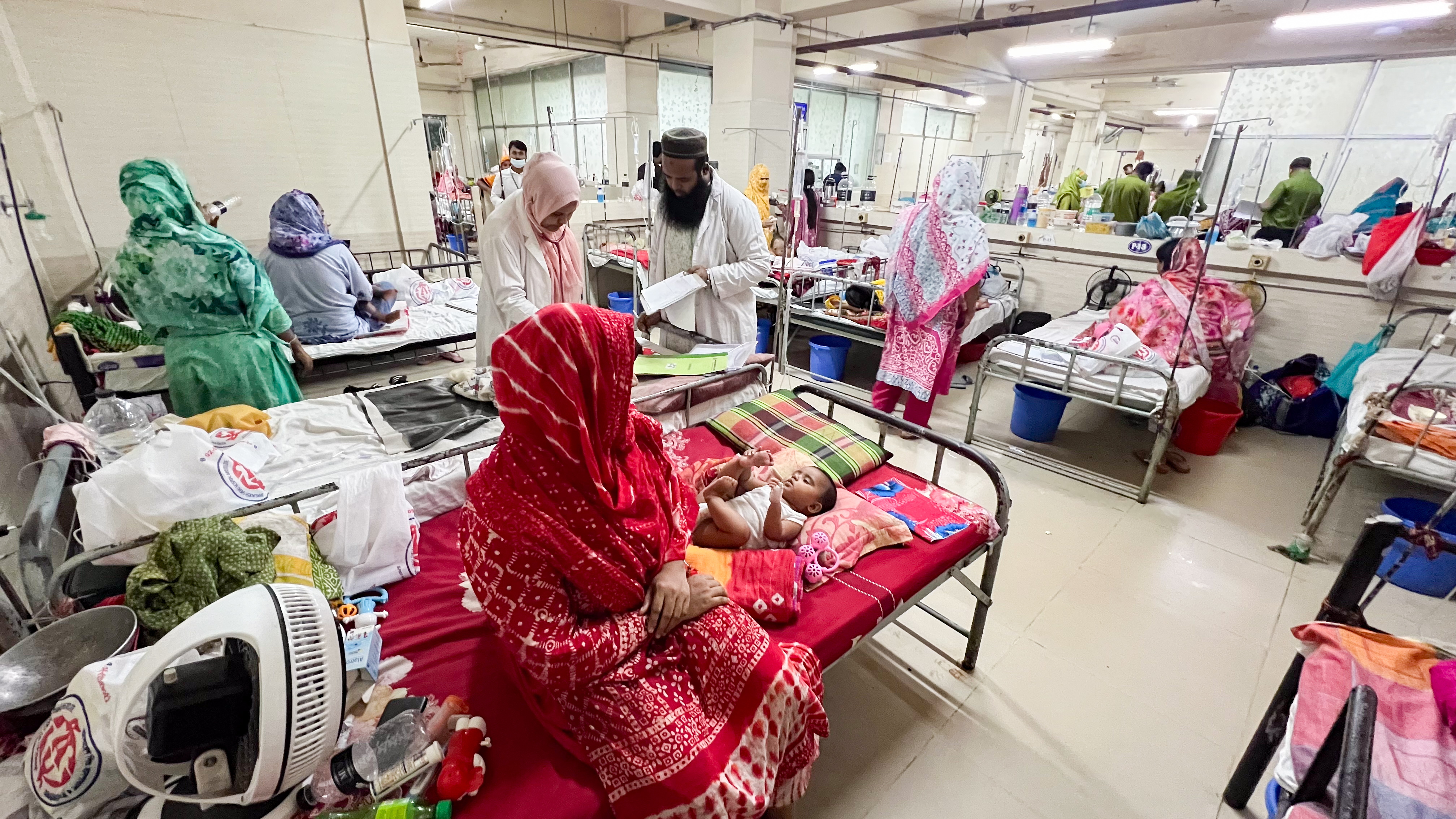
As state governments grapple with how to determine who's sick enough to be excused from new Medicaid work requirements, some families are already struggling with what illnesses guarantee health coverage because of a disability.
The Guardian · 1d ago
Legionnaires’ disease outbreak kills one and infects others in the South Bronx
The disease is a form of pneumonia caused by Legionella bacteria, which can grow in warm water and spread through mist produced by cooling towersOne person has died from legionnaires’ disease, and four more have been sickened in New York City amid a new cluster of cases only weeks after local health officials had declared a separate deadly Manhattan outbreak of the illness over.On Thursday, New York City officials announced that their municipal health department launched an investigation into a community cluster in parts of Melrose and Morrisania in the South Bronx, including ZIP codes 10451 and 10456. Continue reading...
The Guardian · 1d ago
‘They’re lifesavers’: the Birmingham clinic giving hope to traumatised asylum seekers
MSF-run centre offering intensive psychological care has received more than 350 referrals since opening last year Azad*, an asylum seeker from Iran, recounts his story in a gentle and mild manner, seated in the stillness of a therapy room at a trauma clinic in Birmingham.The centre, which opened its doors in July last year to address the “unmet mental healthcare needs of those seeking sanctuary”, is run by Médecins Sans Frontières (MSF), or Doctors Without Borders. It provides specialised trauma-focused psychological care for refugees and asylum seekers in the city and surrounding areas. Continue reading...
BBC · 2d ago
Running costs of vaccine damage scheme more than double amount paid to victims
The cost of administration and medical checks has now topped £83m, according to new figures.
NPR · 2d ago
As diseases loom, CDC's response to measles deaths stirs fears about agency's reliability
The worst U.S. measles outbreak in decades is growing and flu season is imminent. Experts are fretting about federal health data reliability after the CDC questioned two Pennsylvania measles deaths.
The Guardian · 2d ago
Living with tinnitus can be distressing. So what can you do about it?
Tinnitus affects millions of people and it can take many different forms. But there are therapies that can help make it more bearableFor some it’s a high-pitched mosquito whine; for others it’s a low bass hum. It might come and go with periods of stress, or it might be the permanent, irritating background track to daily life and nightly sleep.Whatever form it takes, tinnitus – hearing sounds like ringing, buzzing or hissing when no external noise is there – can be extremely distressing because it’s quite literally in your head; there is no escaping it. Given that at least one-quarter of the population report experiencing tinnitus at some stage in their life, it’s surprising how little is understood about why. Continue reading...
The Guardian · 2d ago
From ‘Ozempic breath’ to hair loss: sorting the science from the hype about weight loss jabs
Do you gain weight once you stop using them? Do they make your face saggy? Can they improve your mental health? Experts explain whether 13 common beliefs about GLP-1s are true or falseFALSE “GLP-1 medications mimic Glucagon-like peptide-1 – one of the hormones involved in appetite regulation. It doesn’t completely suppress hunger, but it is powerful,” says Dr Federica Amati, nutrition lead at Imperial College School of Medicine and author of The Appetite Reset. “The medicine is about 1,000 times stronger than what we naturally produce from our gut,” she explains. As food passes through the gut, cells called L-cells sense the nutrients, which sparks the production of the GLP-1 hormone. Without the drugs, these bursts of GLP-1 production last a few minutes. “It’s a bit like a sparkler. In comparison, the drugs are like a bonfire that roars for a week,” says Amati. Because the GLP-1 hormone stays in your body for longer if you are on the drugs, you feel fuller faster and your appetite gets suppressed, but you will eventually get hungry. Continue reading...
BBC · 2d ago
Assisted dying: How laws differ around the world
About 400 million people have access to some form of assisted dying - what are the policies of other countries?
The Guardian · 2d ago
MPs recount personal experiences as they debate assisted dying bill – video
MPs have been debating a bill to legalise assisted dying in England and Wales. The bill would allow terminally ill adults with less than six months to live to end their lives, after the approval of a panel of experts. Speaking in the Commons, Labour's Claire Hazelgrove, who is in favour of the bill, said her mother, Ruth, died alone last October after living with a rare blood cancer for half of her life. Fellow Labour MP Ashley Dalton, who has been diagnosed with metastatic breast cancer, said the assisted dying bill does not adequately protect people with treatable depression who also have a terminal illnessUK politics: latest updates Continue reading...
BBC · 2d ago
'Like a hangover': Why your partner's snoring could be impacting your health
Sleeping next to a snorer could be having a negative effect on your health, experts tell the BBC.
The Guardian · 3d ago
A scientist said bananas ‘kill’ the benefit of blueberries. Is that true?
Can blending these popular fruits in a smoothie adversely affect the berries’ nutritional benefits? Experts weigh inThis year was shaping up to be a banner year for bananas: they were lauded as “2026’s big viral taste”, landed pride of place as Prada’s new lip balm flavor, and were even deemed “the next pumpkin spice”.But this summer, the Mel Robbins Podcast featured Dr Rhonda Patrick, a biomedical scientist, who said that adding banana to a blueberry smoothie could adversely affect the nutritional benefits of the berries. Continue reading...
NPR · 3d ago
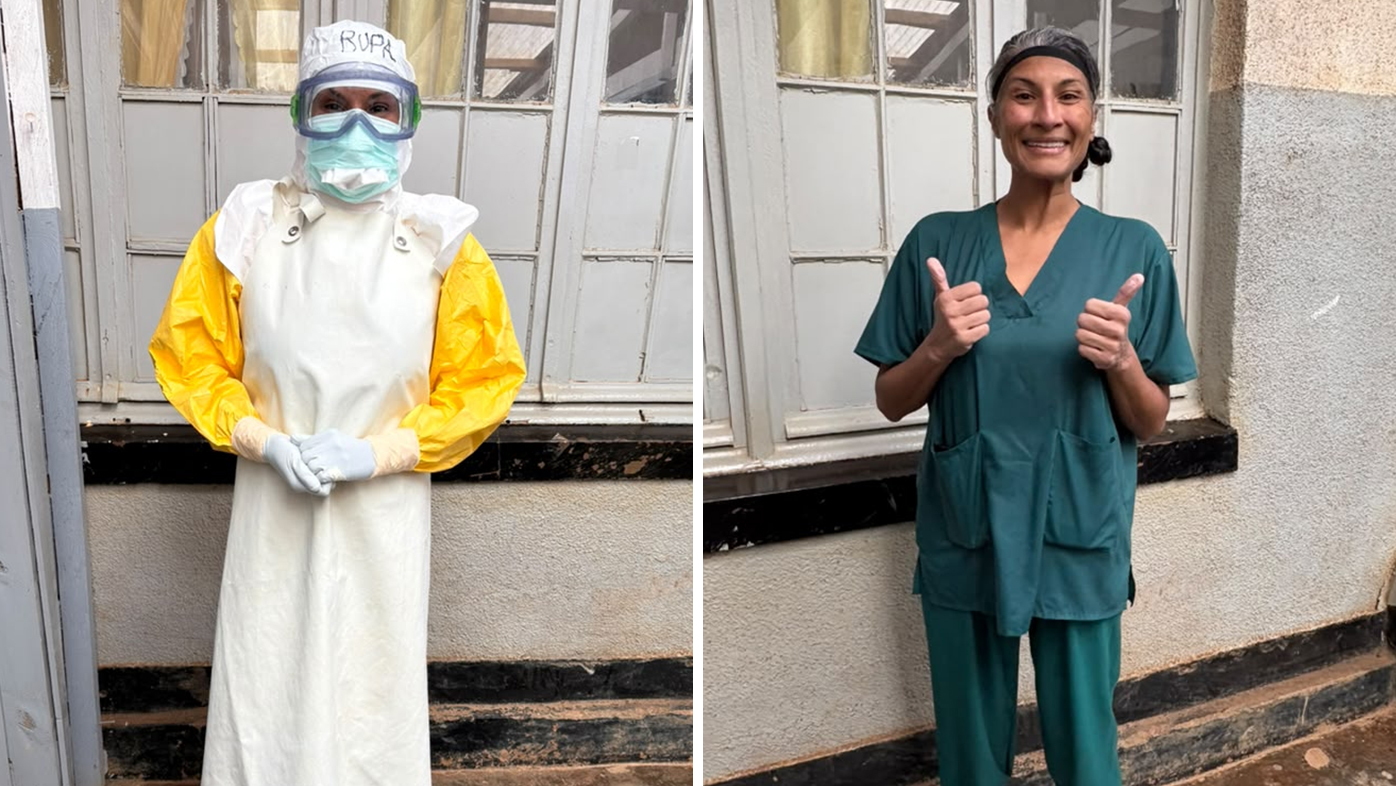
'I've never seen anything like this' -- A U.S. doctor treats Ebola's youngest victims
Dr. Rupa Narra is a U.S. pediatrician who arrived in the Democratic Republic of Congo to help care for stricken children. Nothing could have prepared her for what she'd face.